

The Serengeti is one of the most famous wildlife destinations on earth. Mention it to anyone who has ever dreamed of an African safari and you will see their eyes light up. But the version of the Serengeti that most people visit — the central plains, the Seronera Valley, the famous crossings at the Mara River — is only part of the story.
The western Serengeti is a different experience. Quieter. More affordable. Equally spectacular. And from Butiama, it is just 60 kilometres away.
This guide covers everything you need to know about doing a safari into the western Serengeti from Mwitongo Lodge.
What Is the Western Serengeti?
The Serengeti National Park covers approximately 14,763 square kilometres of northern Tanzania. Most tourists enter via the park’s eastern or northern gates and spend their time in the central Seronera area or near the Mara River in the north — where the famous wildebeest crossing takes place between July and October.
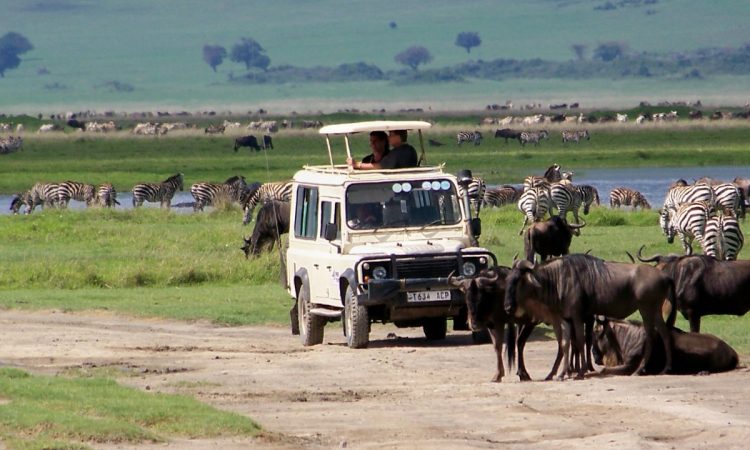
The western corridor is a long strip of land that extends from the central Serengeti towards Lake Victoria. It is accessed primarily through the Ndabaka Gate, which sits approximately 60 km from Butiama and roughly 130 km east of Mwanza.
The western corridor has its own section of the wildebeest migration — the herds move through the area between May and July before continuing north. Outside migration season, the area is home to resident populations of lion, leopard, cheetah, elephant, buffalo, hippo, crocodile, giraffe, zebra, and a vast range of birdlife.
Why Choose the Western Serengeti Over the Central or Northern Areas?
Fewer vehicles. The western corridor sees a fraction of the tourist traffic that the central and northern areas attract. During peak season at Seronera, it is not uncommon to have 20 or more vehicles gathered around a single lion sighting. In the west, you may have the same sighting entirely to yourself.
Lower cost. Because fewer high-end camps and lodges operate in the western corridor, the overall cost of a safari from this direction is significantly lower. Accommodation outside the park (such as at Mwitongo Lodge in Butiama) is far more affordable than staying inside the park, and day trip access fees are the same regardless of which gate you use.
Accessible from Butiama. The Ndabaka Gate is the closest Serengeti entry point to Butiama. A day safari from Mwitongo Lodge involves a straightforward drive east to the gate, followed by a full day in the park and a return to the lodge by evening.
The migration still passes through. If you are visiting between May and July, you have a strong chance of witnessing part of the wildebeest migration in the western corridor — one of the greatest wildlife spectacles on the planet.
What Wildlife Can You Expect?
The western Serengeti supports the full range of East African savanna wildlife. On a typical day safari, you can reasonably expect to see:
- Lion — resident prides are well established in the western corridor
- Elephant — frequently seen near water sources
- Buffalo — large herds are common
- Hippo — the Grumeti River, which runs through the western corridor, supports large hippo populations
- Crocodile — Grumeti River crossings during the migration are dramatic crocodile feeding events
- Giraffe, Zebra, Wildebeest — present year-round
- Leopard and Cheetah — less frequently seen but present
- Birdlife — the western corridor is exceptional for birding, with hundreds of species recorded
Best Time to Visit
May – July: The wildebeest migration moves through the western corridor. Grumeti River crossings occur during this period. Excellent game viewing overall. Some rain possible in May.
June – October: Dry season across the Serengeti. Vegetation thins out, making wildlife easier to spot. Animals concentrate around water sources.
November – April: Green season. Fewer tourists, lower prices, and newborn animals. Birdlife is at its peak. Some roads may be challenging in heavy rain.
For most visitors, June to September offers the best combination of dry weather, good game viewing, and migration activity in the western corridor.
How We Organise Safaris from Mwitongo Lodge
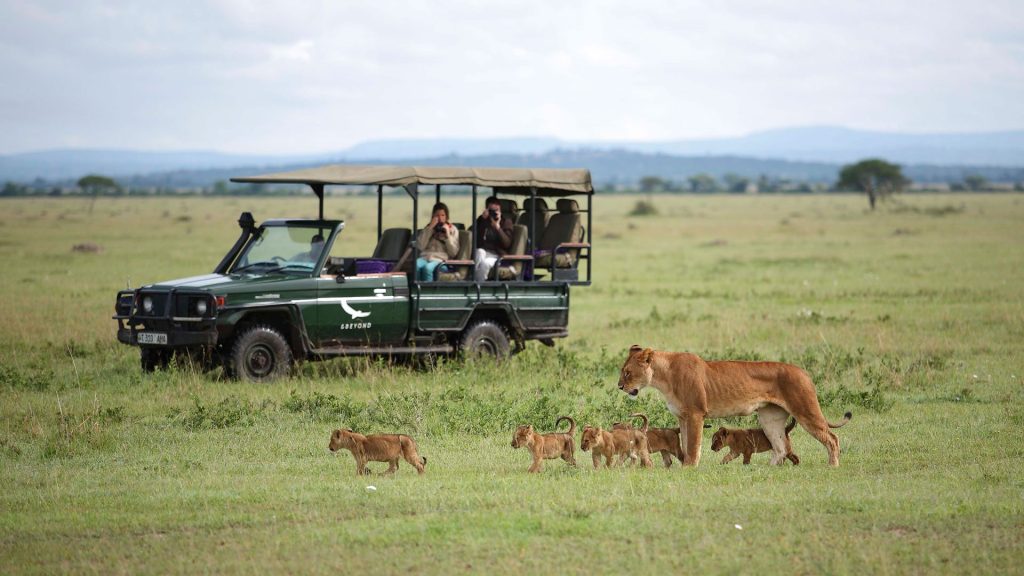
We organise day safari trips into the western Serengeti directly. Here is how it works:
- Tell us your preferred date when you book your stay or upon arrival
- We arrange the vehicle and driver/guide
- Departure from the lodge in the early morning (around 6:00am is recommended)
- Drive to Ndabaka Gate (approximately 1 hour)
- Full day game drive inside the park
- Return to the lodge by early evening
We keep costs honest and transparent. There is no travel agency in the middle taking a margin. What you pay goes directly to the experience.
For pricing and availability, contact us at info@mwitongolodge.co.tz or book your stay here.
Practical Tips
- Bring sun protection. The Serengeti sun is intense. Hat, sunscreen, and sunglasses are essential.
- Binoculars make a significant difference. If you have a pair, bring them.
- Charge your camera the night before. There will be a lot of opportunities to use it.
- Start early. Wildlife is most active in the early morning and late afternoon. Leaving at 6:00am gives you the best game viewing hours.
- Wear neutral colours. Khaki, olive, and beige. Avoid bright colours and white.
- Bring enough water and snacks for a full day. We can assist with packed lunch arrangements.
The Bottom Line
A western Serengeti safari from Butiama is one of the best-value wildlife experiences in Tanzania. You get the full Serengeti — its scale, its wildlife, its extraordinary atmosphere — without the crowds and at a price that reflects the reality of what the experience actually costs.
From Mwitongo Lodge, it is a 60-kilometre drive to one of the world’s great natural places. That is a privilege worth using.