

Julius Kambarage Nyerere is one of the defining figures of modern Africa. As the first President of Tanzania, the architect of Ujamaa, and a founding voice of pan-African unity, his influence shaped not just one country but an entire continent’s political imagination. And yet the place most closely associated with his life — Butiama, the small town in northern Tanzania where he was born and buried — remains little known on the international travel circuit.
This guide covers everything you need to know about visiting the Mwalimu Nyerere Heritage Site and National Museum in Butiama.
Who Was Mwalimu Julius Nyerere?
Julius Kambarage Nyerere was born on 13 April 1922 in Mwitongo, Butiama, in what was then Tanganyika under British colonial rule. He was the son of a Zanaki chief, educated locally before going on to study at Makerere University in Uganda and the University of Edinburgh — making him one of the first Tanganyikans to obtain a university degree in Britain.
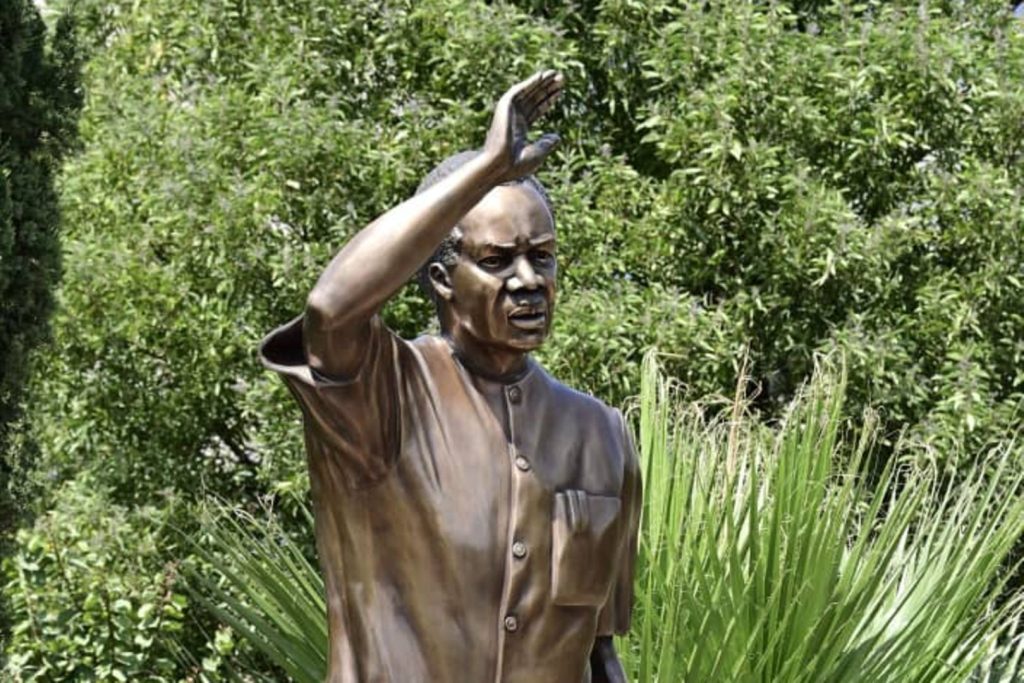
He returned home and became a teacher — hence the title Mwalimu, the Swahili word for teacher — before founding the Tanganyika African National Union (TANU) in 1954. TANU became the vehicle for Tanganyika’s independence, achieved peacefully in December 1961. Nyerere served first as Prime Minister, then as President.
In 1964, Tanganyika united with Zanzibar to form the United Republic of Tanzania. Nyerere led the new nation until 1985, when he voluntarily stepped down — a rare act of peaceful democratic transition in post-colonial Africa. He continued to chair the Chama Cha Mapinduzi (CCM) party until 1990 and remained an influential voice in African affairs until his death on 14 October 1999.
He is buried in Butiama, in the town where his story began.
The Mwalimu Nyerere Heritage Site
The heritage site in Butiama encompasses the family homestead where Nyerere was born and raised, his grave, and the surrounding land that shaped his early life. It is a place of quiet significance — not a grand monument, but a human-scale site that makes the man feel real and close.
Visiting the site gives you a sense of the environment that formed him. The rocky hills, the modest homestead, the community around it — these are not dramatic museum exhibits but living context. Many visitors find the experience unexpectedly moving.
The Mwalimu Nyerere National Museum
The National Museum in Butiama documents Nyerere’s life chronologically — from his birth and early education through his political career to his retirement and death. Exhibits include photographs, personal artefacts, documents, and displays that trace both his personal story and the broader history of Tanzania’s independence and development.
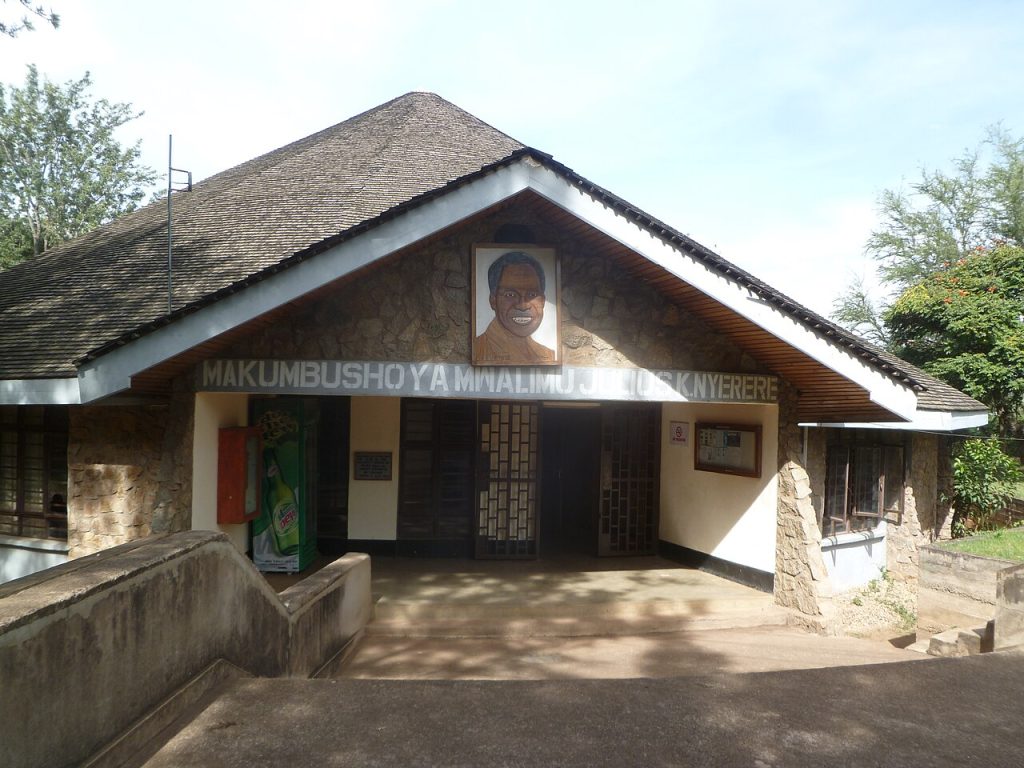
The museum is educational and accessible, suitable for adults and older children alike. It is particularly valuable for travellers interested in African political history, post-colonial studies, or simply understanding the country they are visiting.
Practical Information for Visitors
Location: Butiama, Mara Region, Tanzania. The heritage site and museum are centrally located in the town and easy to find on arrival.
Distance from Mwitongo Lodge: Approximately 5 minutes by vehicle.
Opening Hours:
Entry Fee:
Guided Tours: Local guides are available at the site and are strongly recommended. They provide historical context that significantly enriches the visit.
Time Required: Allow 1.5 to 2 hours for a thorough visit to both the heritage site and the museum.
Best Time to Visit: Morning visits are generally more comfortable in terms of temperature and light.
Combining the Visit with Your Stay at Mwitongo Lodge
Mwitongo Lodge is located in Mwitongo — the specific village within Butiama where Nyerere was born. The heritage site is minutes from our front door.
We are happy to help guests plan their visit, arrange local guides, and combine the heritage site with other activities in the area such as the western Serengeti, trekking, or cultural experiences with the Zanaki community.
If you are coming to Butiama specifically to visit the Nyerere heritage site, we recommend staying at least two nights — one to visit the site and museum, and one to explore the wider area.
Book your stay at Mwitongo Lodge and we will take care of the rest.